What Is a Beauty Dish and Why Do Portrait Photographers Love It?
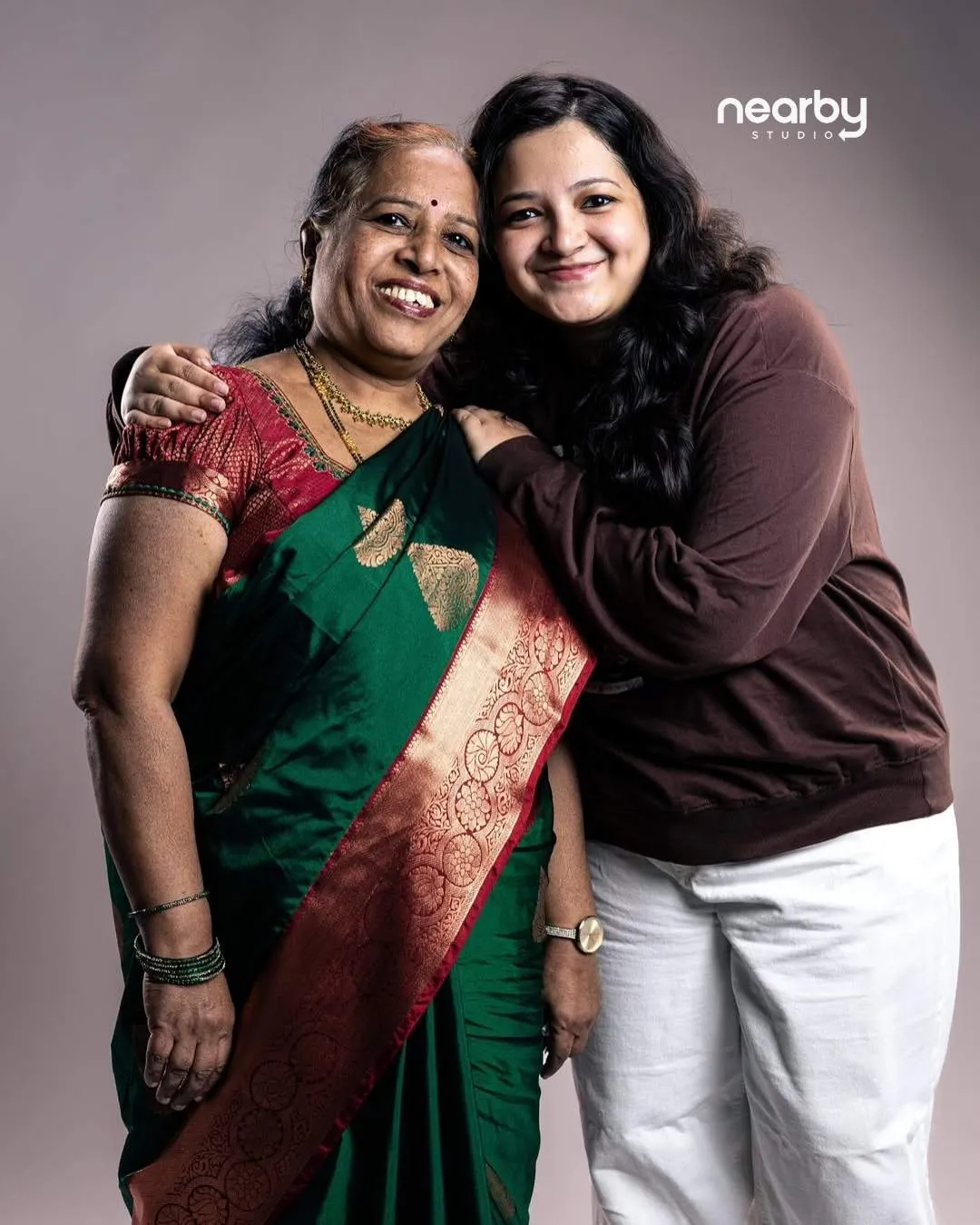
A beauty dish is a round, bowl-shaped light modifier that attaches to a studio flash and gives portraits crisp, sculpted light with just enough softness to flatter skin. It sits between a hard, bare-bulb flash and a large, soft softbox, which is why portrait, fashion and beauty photographers use it so often. This guide explains how it works, how it looks in a photo and when to reach for one.
Key takeaways
- A beauty dish is a shallow metal dish with a small plate in the centre, mounted on a studio strobe.
- Its light is contrasty but not harsh, so it shapes the face without flattening it.
- It leaves a distinctive ring-shaped reflection in the eyes.
- It's best for portraits, headshots and beauty or fashion work, and less suited to large groups or big products.
What is a beauty dish?
A beauty dish is a reflector, usually between about 40 and 70 cm (16 to 28 inches) across, with a shallow, bowl-like shape. It's most often made of metal, with a white, silver or gold inside surface, and it mounts on the front of a studio flash or strobe.
The small round plate in the middle, called the deflector, is the part that makes it different from an ordinary reflector. It blocks the direct light from the bulb so that the light must bounce off the walls of the dish first.
How does a beauty dish work?
With the deflector in place, almost no light reaches the subject straight from the bulb. Nearly all of it reflects off the inside of the dish and then travels forward in an even, wrapped-around pattern.
This produces light that is crisp at the centre and gently falling off at the edges. The shadows are defined but not hard-edged, which is why the light looks both punchy and flattering. Highlights on cheekbones and the forehead stay bright, while the sides of the face fall into soft shadow.
What does beauty dish lighting look like?
You can recognise it by three things.
Defined contours. Cheekbones, the jawline and the nose pick up clear highlights and shadows, so the face looks sculpted rather than flat.
Visible skin texture. Because the light is more directional than a large softbox, it shows skin detail and fabric texture. This is a strength for fashion and beauty work, though it also means makeup and retouching matter more.
A ring-shaped catchlight. The reflection in the subject's eyes looks like a ring with a dark centre, where the deflector sits. Many photographers like it because it looks natural and distinctive.
Beauty dish vs softbox: what's the difference?
A softbox is usually larger and its front is covered with diffusion fabric, so the light is broad and very soft, with gentle shadows. A beauty dish is smaller and has no diffusion by default, so the light is more concentrated, with more contrast.
Choose a softbox when you want a smooth, forgiving look, such as for family portraits or a clean e-commerce image. Choose a beauty dish when you want depth and definition, such as for a dramatic portrait, a fashion editorial or a beauty close-up.
Which type of beauty dish should you choose?
The inside surface changes the look.
- White: softer, with smoother falloff. A good starting point for most portraits.
- Silver: brighter and more contrasty, with a sharper, more specular feel.
- Gold: warms the light and skin tones, which some photographers use for a glowing look. It's less common than white or silver.
Many photographers also add a diffusion sock to soften the light further, or a grid to stop it spilling onto the background and keep it focused on the subject.
How do you position a beauty dish?
Here are three common starting points, which you can adjust by eye.
- Straight in front and above the face, tilted down. This produces a symmetrical look with a small, butterfly-shaped shadow under the nose and a shadow under the chin. It's a classic setup for beauty and fashion portraits, often called butterfly lighting.
- About 45 degrees to one side and slightly above eye level. This gives more dimension. Raise it a little and move it further round, and you'll get Rembrandt lighting, with a small triangle of light on the shadow-side cheek. It suits portraits and headshots.
- Closer for softer light, further for more contrast. Distance changes the character of the light, so move the dish and look at the result.
Pairing it with a reflector below the face, or a fill light at low power, lifts the shadows under the chin and eyes.
When should you use a beauty dish?
It works well for:
- Portraits and headshots where you want strong, flattering shape
- Fashion and beauty shoots that show off makeup, cheekbones and skin
- Dramatic or editorial portraits
- Single-light setups, since one dish can do a lot on its own
It's less suited to:
- Large groups, because the light covers a smaller area
- Wide product shots or large backdrops, which need broader light
- Very forgiving, flat lighting that hides every skin detail
Beauty dish questions people ask
Can you use a beauty dish with LED lights? Yes, if the LED light has a matching mount, such as a Bowens mount, and enough power. Beauty dishes are mostly designed for studio strobes, which are brighter and also freeze movement better.
Is a beauty dish good for beginners? Yes, though it takes a little practice to position. Start close to the face, slightly above it, and adjust from there.
Does a beauty dish need a fill light? Often it does. Because the light is directional, a reflector or a second soft light helps open up the shadows.
Where you can see one in action
A beauty dish is part of the lighting kit at Nearby Studio in Rajajinagar, Bengaluru, alongside strobes and LED lights, so portrait and fashion shoots there can use this kind of light. If you'd like to see how it looks on a real shoot, you can browse the studio's work on the fashion shoot page.