How to Plan a Successful Studio Shoot: A Step-by-Step Guide for First-Timers
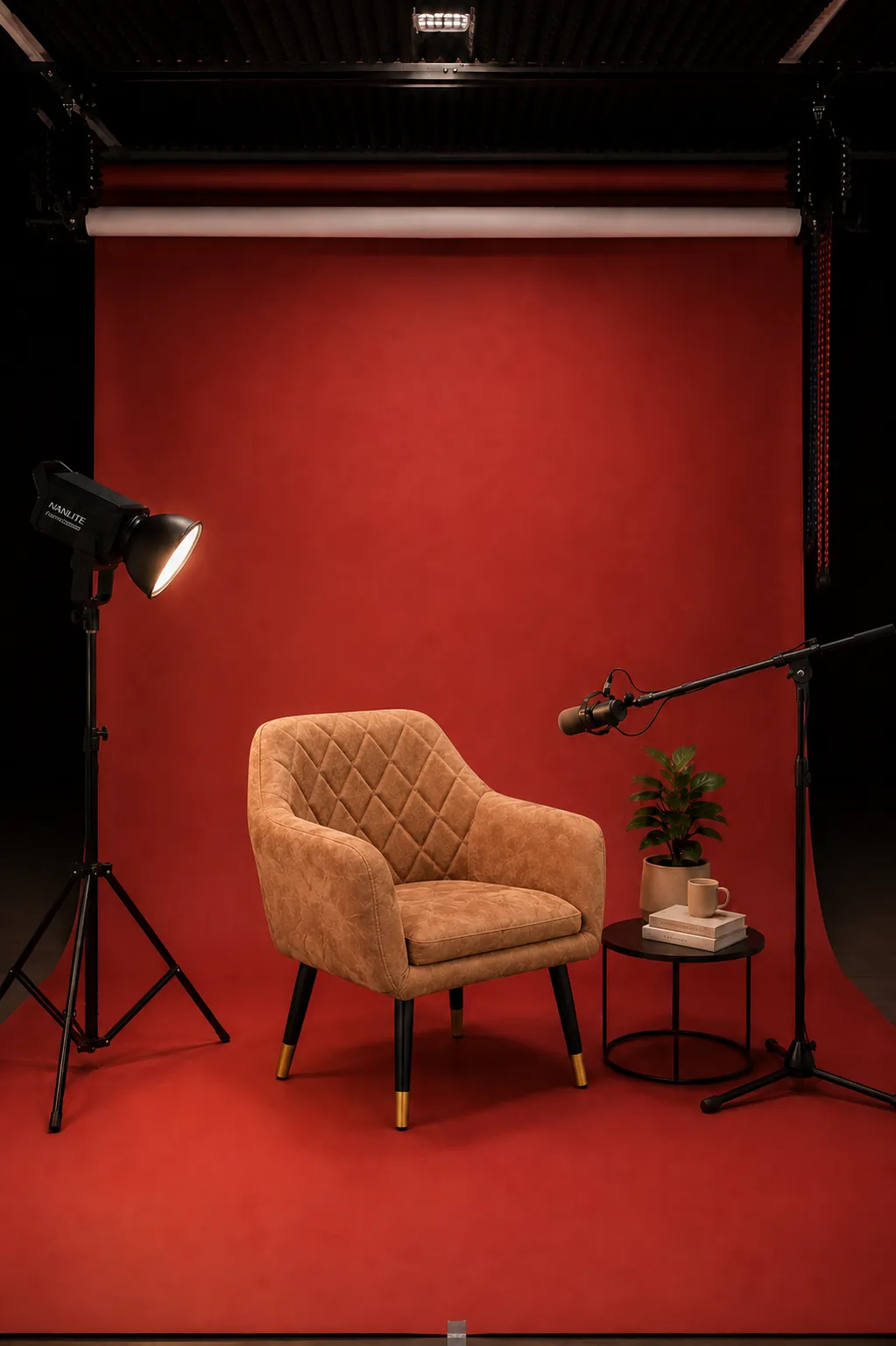
A good studio shoot rarely happens by accident — it's the result of a handful of decisions made before anyone walks into the room, not scrambled together on the day. Whether you're a founder shooting your first brand video or a creator planning a content batch, here's the actual sequence worth following.
1. Get Clear on What the Video Needs to Do
Before anything else, decide what the video is actually for — is it meant to explain a product, build trust in a founder, sell something directly, or simply entertain? A shoot without a clear goal tends to produce footage that looks fine but doesn't really do anything once it's out in the world. Start here, and everything downstream gets easier to decide.
2. Know Who's Actually Watching
The same message lands completely differently depending on who's on the other end. A video aimed at investors needs a different tone, pace, and level of polish than one aimed at Gen Z social media followers. Get specific about the audience before deciding on style, length, or platform — guessing at this stage tends to produce content that doesn't quite land with anyone.
3. Shape the Core Message
Once the goal and audience are clear, the actual message — what you want someone to think, feel, or do after watching — should follow naturally. Keep it to one central idea per video rather than trying to cram in everything the brand wants to say; overloaded messaging is one of the most common reasons videos underperform.
4. Set a Realistic Budget
Studio time, editing, talent (if needed), and any props or wardrobe all add up — and it's much easier to plan a shoot around a clear budget than to figure out the number after the fact. Most studio packages are structured with this in mind, bundling camera setup, editing, and deliverables together so the budget conversation happens once, upfront.
5. Decide Where It's Going to Live
A video meant for Instagram Reels needs a different shape (vertical, fast-paced, hook in the first 3 seconds) than one meant for a website homepage or YouTube. Deciding the platform before the shoot — not after — shapes everything from framing to pacing to how many cutdowns you'll need from the same session.
6. Pick the Right Format
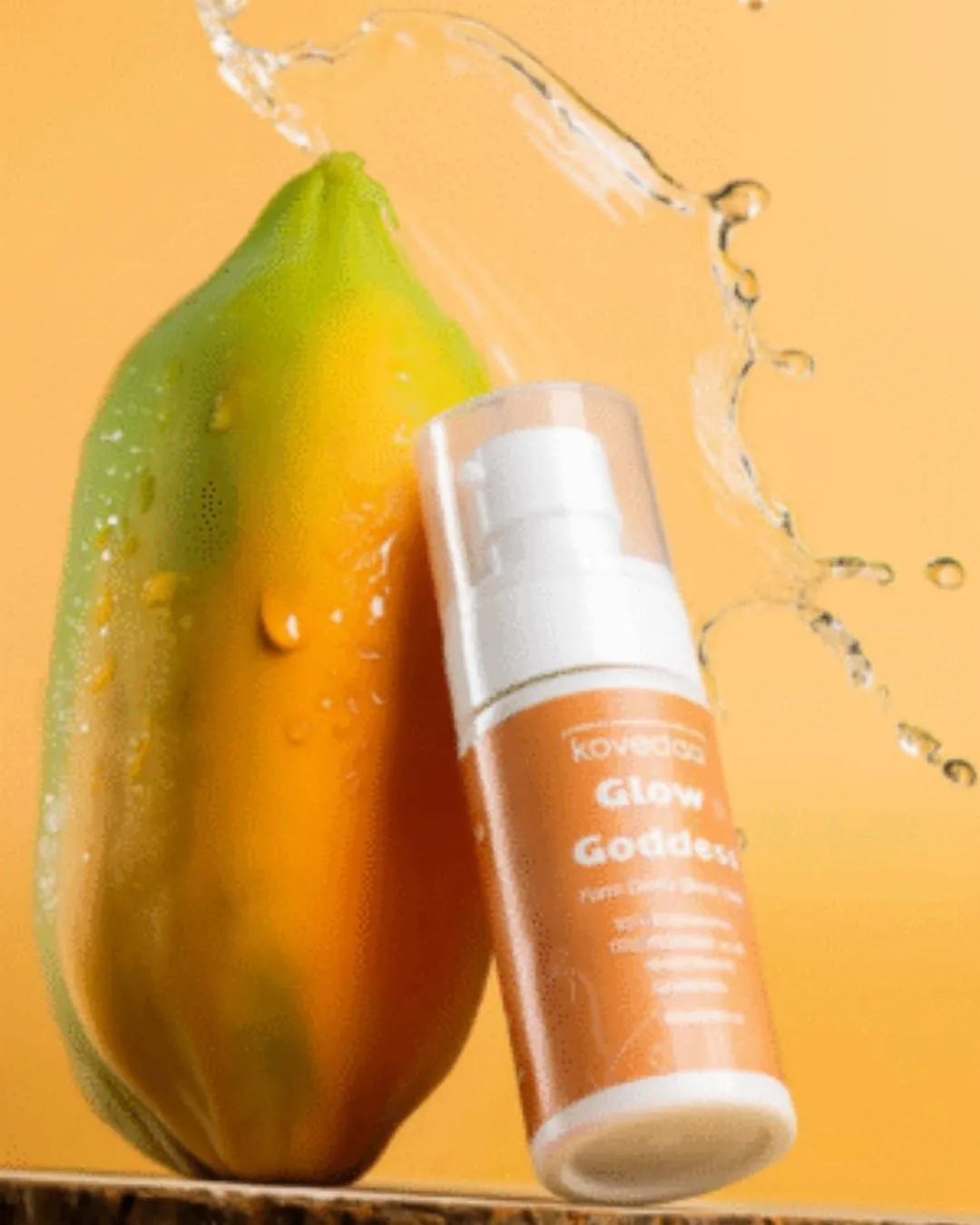
The message and platform together usually point toward a format: an explainer video for a new product, a testimonial-style video for trust-building, a founder interview for personal brand, or a fast-cut reel for social reach. Locking this in early prevents the common trap of shooting generically and trying to force a format in the edit.
7. Choose the Right Studio Setup
This is where equipment and space actually matter — a green screen for composited backgrounds, a soundproofed room for anything with dialogue or podcast-style audio, multi-camera coverage if you want a produced, dynamic edit. Most first-timers underestimate how much this decision affects the final quality; a mismatched studio setup means fighting the room instead of using it.
8. Line Up Talent and Confirm the Schedule
If the shoot involves anyone beyond the person booking it — a guest, a model, a presenter — confirm their availability early, since rescheduling a studio slot around someone else's calendar is far harder than the other way around. Build in a little buffer time too; sessions rarely run exactly to the minute, especially for first-timers still getting comfortable on camera.
9. Walk In With a Plan, Not Just an Idea
The difference between a smooth session and a rushed one usually comes down to whether there's an actual shot list or rough script going in, versus figuring it out in the room. Even a simple outline — three key points to hit, the order of shots needed — saves significant time once you're actually in the studio.
Why This Sequence Matters
Skipping steps here doesn't save time — it just moves the confusion to a more expensive point in the process, usually the edit, where fixing a planning gap costs far more than it would have upfront. Working through goal, audience, message, budget, platform, format, and setup in that order means the actual shoot day becomes execution, not decision-making.
Ready to Plan Your Shoot?
Nearby Studio's packages are built around exactly this planning sequence — pre-configured setups for podcasts, ad films, product and fashion shoots, and green screen work, so once you know your goal and format, the studio side of the equation is already sorted. Get in touch with your concept, even a rough one, and the right setup can be built around it.