The Rule of Thirds and Beyond: Composition Techniques That Make Footage Feel Cinematic
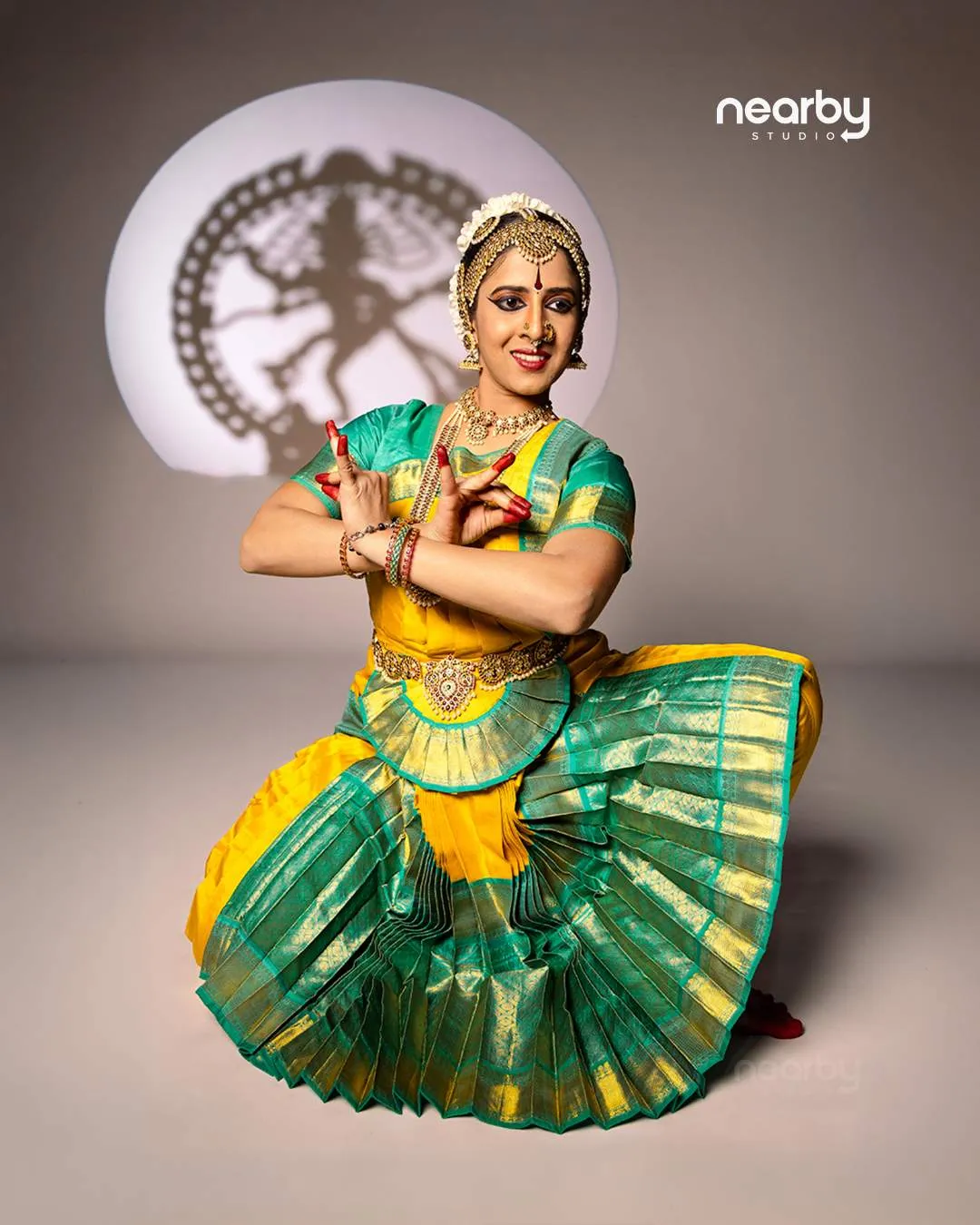
Most people can tell the difference between footage that looks "cinematic" and footage that looks amateur — they just can't always explain why. More often than not, the answer isn't the camera, the lighting, or even the subject. It's composition: where things are placed in the frame, and how that placement guides the eye. Here are the techniques that quietly do most of that work.
1. The Rule of Thirds
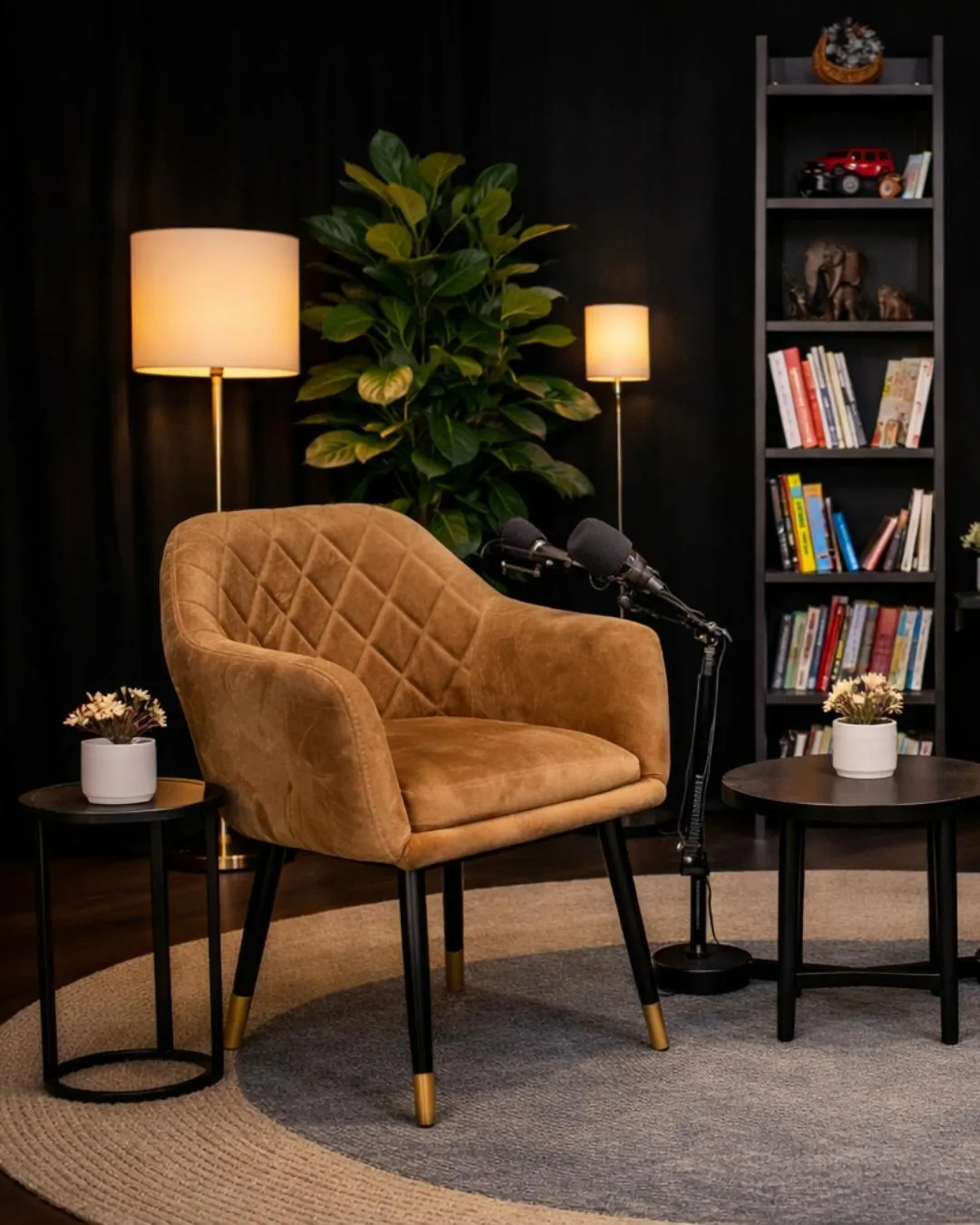
Start here, because everything else builds on it. Imagine the frame divided into a 3x3 grid — two horizontal lines, two vertical lines. Instead of placing your subject dead center, position it along one of those lines or at one of the four intersection points. It sounds like a small shift, but it immediately makes a shot feel more intentional and less like a snapshot.
This is why interview subjects in professional videos are rarely centered — they're usually positioned slightly off to one side, with space left in the direction they're facing or looking.
2. Leading Lines
Roads, hallways, edges of furniture, even a subject's outstretched arm — any line within the frame that draws the eye toward your subject is a leading line. Used well, it does the viewer's work for them, pulling their attention exactly where you want it without them consciously noticing why.
3. Framing Within the Frame
Using elements already in the scene — a doorway, a window, foliage, even shadows — to create a "frame" around your subject adds depth and draws focus naturally. It's a simple technique that instantly makes a shot feel more layered than a flat, front-on composition.
4. Negative Space
Not every part of the frame needs to be filled. Leaving empty space — a plain wall, an open sky, a blurred background — around your subject can actually make the subject feel more prominent, not less. It's a technique used constantly in cinematic and editorial work precisely because it creates breathing room the eye appreciates, even if it can't articulate why.
5. Depth Through Foreground, Midground, and Background
Flat shots — subject against a plain wall, nothing else in frame — tend to feel static. Adding a foreground element (even slightly out of focus), your subject in the midground, and something in the background creates a sense of real depth, making the shot feel three-dimensional rather than flat and staged.
6. Headroom and Lead Room
Two small but important framing habits: leave a reasonable amount of space above a subject's head (not too much, not too little — cutting it too close feels cramped), and when a subject is facing or moving in a direction, leave more space on that side of the frame than behind them. Getting this wrong is one of the fastest ways to make a shot feel visually "off," even if viewers can't name why.
7. Symmetry, Used Deliberately
While the rule of thirds is about avoiding the center, perfect symmetry is its own powerful tool — when used deliberately, not by accident. A perfectly centered subject against a symmetrical background (an architectural doorway, a mirrored setup) can feel bold and intentional, precisely because it breaks the usual off-center convention in a controlled way.
8. Breaking the Rules on Purpose
Every technique here is a strong default, not a strict law. Deliberately centering a subject, filling the frame edge-to-edge, or ignoring the thirds grid entirely can create real visual impact — but only when it's a conscious choice, not an accident from not knowing the rule in the first place. That distinction is exactly what separates intentional, cinematic framing from footage that just happens to be off.
Why This Matters More Than People Expect
None of these techniques require expensive gear — they're decisions made in how a shot is framed, which is as much about the photographer or videographer's eye as it is about equipment. This is also why two people can shoot the exact same subject in the exact same room and walk away with completely different-feeling results: one is composing deliberately, the other is just pointing and shooting.
Bringing This Into Your Next Shoot
A studio setup gives you the control to actually apply these techniques properly — space to work with foreground and background separation, consistent lighting that doesn't fight your composition, and enough room to reposition for the right angle rather than being boxed into whatever a cramped space allows.