7 Camera Techniques That Make Content Look Cinematic (No Big Budget Required)
There's a specific look certain videos have — a depth, a polish, a sense that every shot was chosen on purpose — that makes them feel like "real" films rather than casual recordings. It's tempting to assume that comes down to expensive cameras. In reality, most of it comes from technique: a handful of decisions any videographer can apply, regardless of budget. Here are seven worth knowing.
1. Shallow Depth of Field
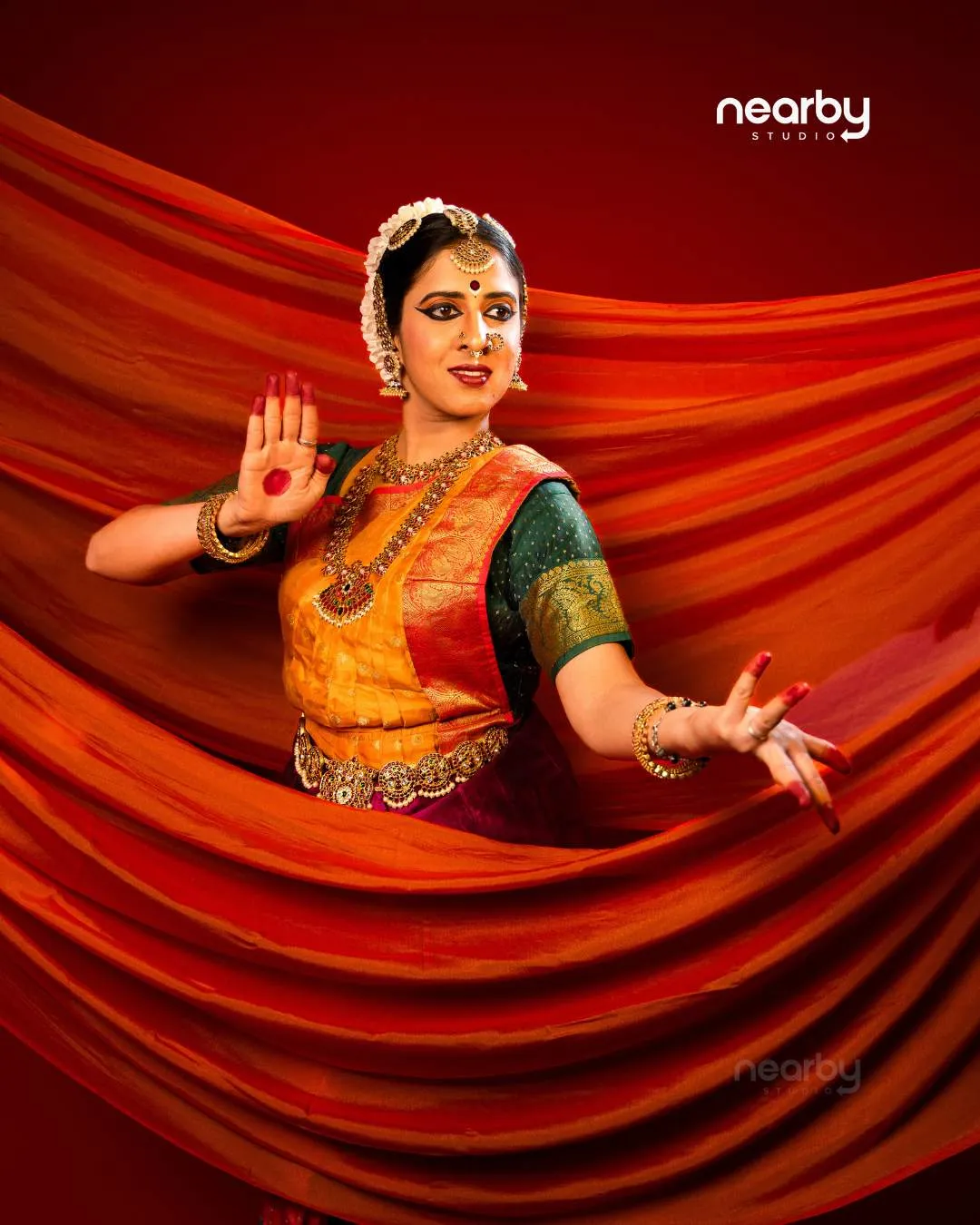
That soft, blurred-background look — subject sharp, everything behind them melted into a gentle blur — is one of the fastest ways to make footage feel premium. It's created by shooting with a wide aperture, keeping some distance between your subject and the background, and getting reasonably close to the subject yourself. The effect isn't just pretty — it does real storytelling work, pulling the viewer's eye exactly where you want it and quietly filtering out visual clutter.
2. Deliberate Camera Movement
A locked-off, static shot can absolutely work — but controlled movement is what gives footage a sense of life and intention. A slow push toward a subject during an important line, a smooth glide alongside someone walking, a gentle pan revealing a space — these movements, done with a slider or gimbal rather than handheld shakiness, add a layer of polish that static shots simply can't match. The key is that the movement always serves a purpose; movement for its own sake tends to feel distracting rather than cinematic.
3. Changing the Angle, Changing the Meaning
Where you place the camera relative to your subject isn't a neutral choice — it shapes how the viewer feels about what they're seeing. A slightly low angle looking up at someone can make them feel more powerful or important; a high angle looking down can make them feel small or vulnerable; a tilted, off-kilter angle can create unease or disorientation. Most everyday footage sits at a flat, eye-level angle by default — simply choosing a different one is often enough to make a shot feel more considered.
4. Point-of-View Shots for Instant Connection
Showing the audience exactly what a person is seeing — rather than showing the person themselves — creates an immediate, personal sense of connection. It's why product demos often cut to a first-person view of hands using the product, or why a brand story might briefly show the world from a customer's perspective. It shortcuts the distance between viewer and subject in a way a standard shot can't.
5. Slow Motion, Used Sparingly
Recording at a higher frame rate and playing it back at normal speed stretches a moment out — letting small details, expressions, or movements register in a way real-time footage rushes past. It's genuinely powerful for a product reveal, a meaningful gesture, or a dramatic beat. The catch is restraint: slow motion used constantly loses its impact fast, and starts to feel like a stylistic tic rather than a deliberate choice.
6. Rack Focus to Guide Attention
Within a single shot, shifting focus from one subject or object to another — say, from a person in the foreground to something in the background — is a subtle but effective way to redirect attention without cutting to a new shot. It can reveal information, build a small moment of tension, or connect two elements in a scene in a way a straight cut wouldn't feel as smooth.
7. Letting Light Do Some of the Storytelling
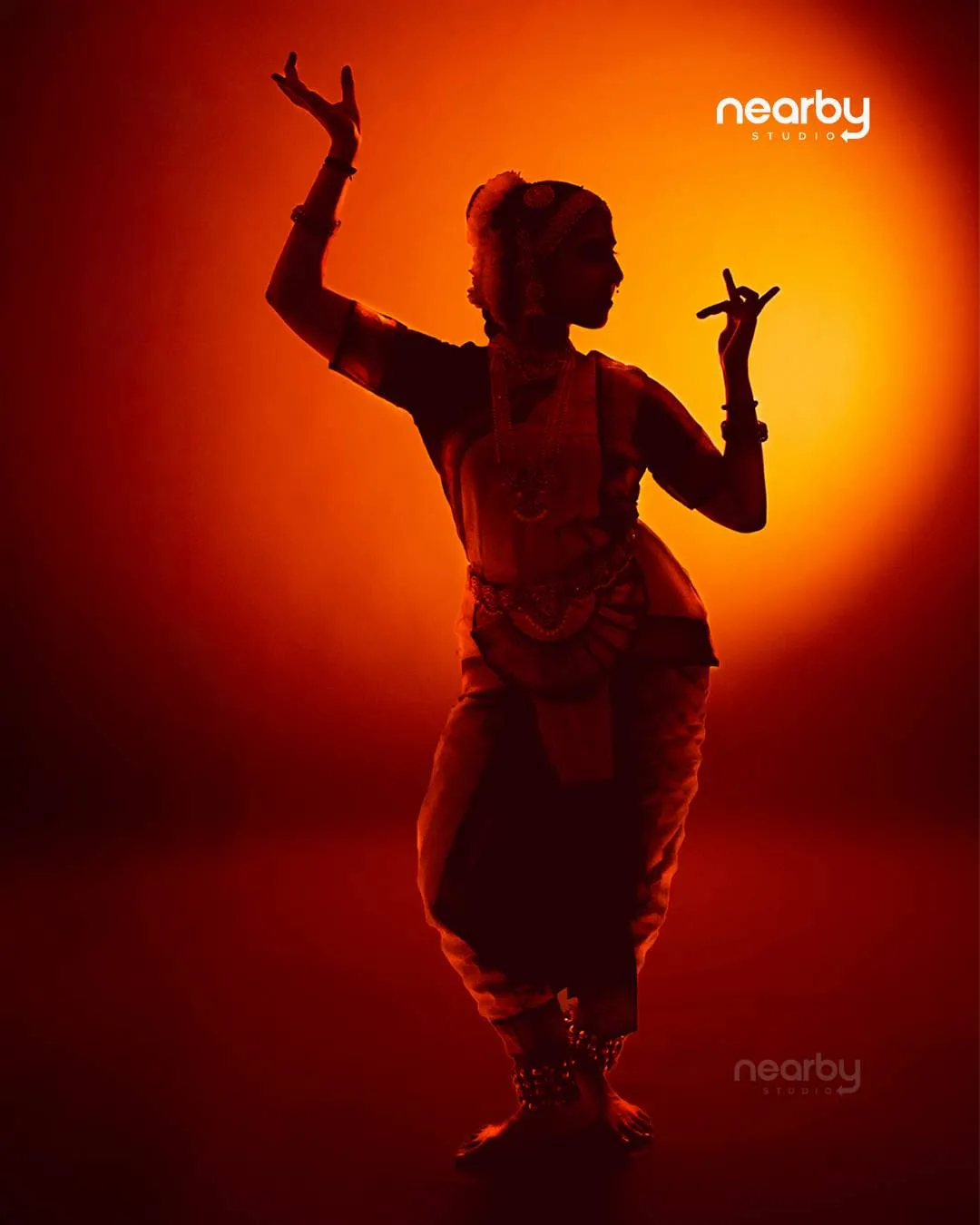
Beyond just making a subject visible, lighting shapes mood — harsher, more contrasted light can feel dramatic or serious, while soft, even light feels calm and approachable. The same subject, lit two different ways, can tell two genuinely different visual stories, which is part of why lighting setup matters just as much as camera technique itself.
None of This Requires Hollywood Equipment
What all seven of these have in common: they're technique-driven, not gear-driven. A wide-aperture lens, a slider, and a well-thought-out lighting setup go a long way — the real skill is knowing when and why to use each one, not owning the most expensive kit on the market.
Where to Actually Put This Into Practice
Technique only gets you so far without the physical space to execute it — room to pull back for a proper depth-of-field shot, rails or a gimbal for smooth movement, and adjustable lighting to shape mood deliberately. Nearby Studio's setup is built with exactly this kind of flexibility in mind, so whichever of these techniques your next shoot calls for, the space and equipment to actually do it properly are already here.