10 Easy Posing Tips for Your First Fashion Shoot (No Modeling Experience Needed)
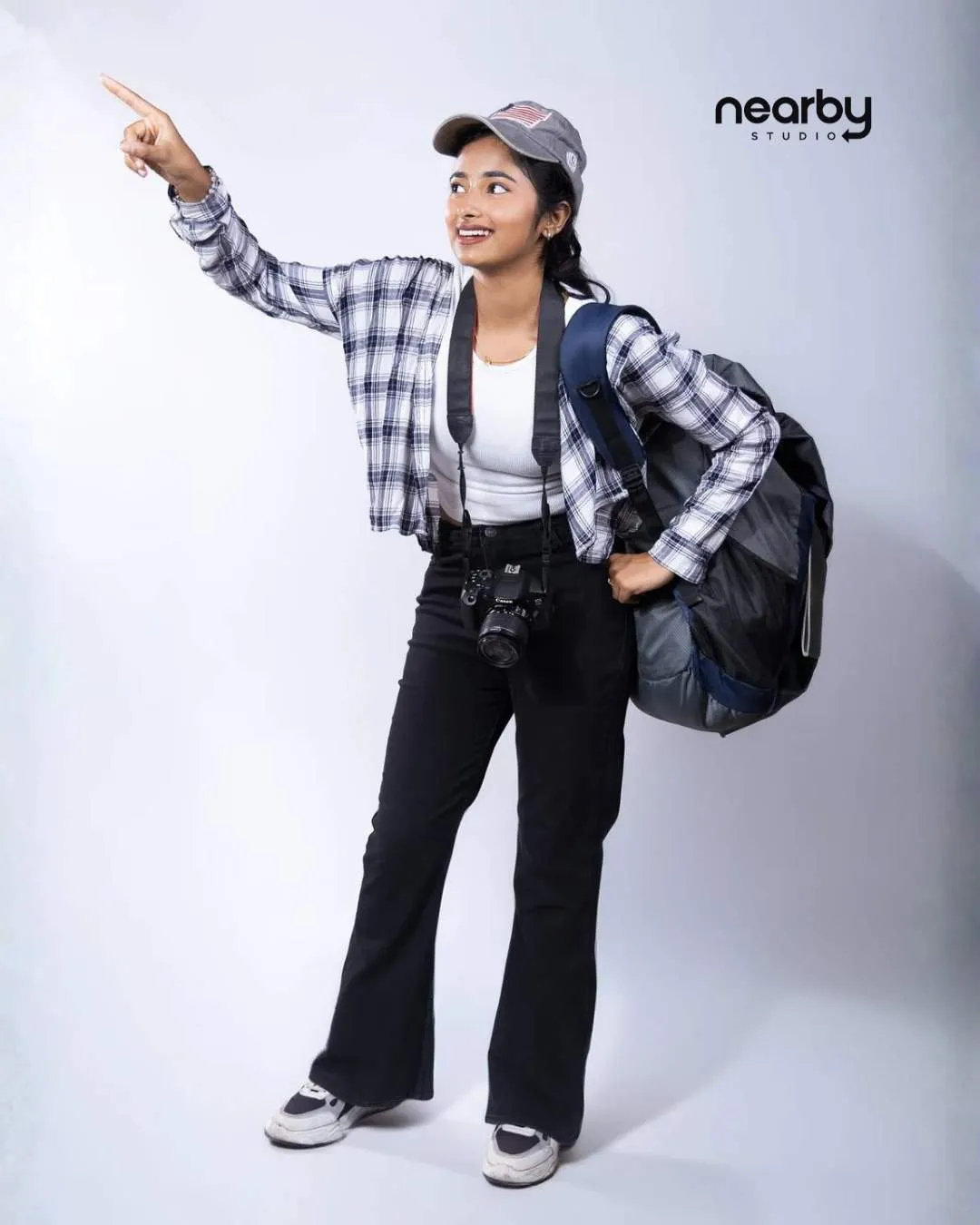
Booking your first fashion shoot is exciting — until you actually stand in front of the camera and suddenly forget what to do with your hands. That awkward, frozen feeling is completely normal, and it has nothing to do with how you'll actually look in the photos. Posing is a skill, not a talent you're born with, and a handful of simple, repeatable poses can carry you through an entire session. Here are ten worth practicing before you walk in.
1. Shift Your Weight Onto One Leg
Standing with weight evenly on both feet tends to look stiff and flat in photos. Shift your weight onto your back leg, let the front knee soften slightly, and your whole posture instantly looks more relaxed and natural — this is one of the simplest fixes that makes the biggest visible difference.
2. Create Space Between Your Arms and Body
Arms pressed flat against your sides tend to flatten your silhouette in photos. Leave a small gap — rest a hand on your hip, let one arm bend slightly, or hold something (a bag, a jacket) — anything that creates a little negative space between your arm and torso.
3. Angle Your Body, Not Just Your Face
Facing the camera dead-on can feel confrontational and stiff in photos. Turn your shoulders and hips slightly to one side while keeping your face toward the camera — this angled stance is one of the most flattering, classic positions in fashion photography, and it's easy to hold.
4. Try the Walking Pose
Genuine walking — even a slow, half-step — reads as natural and confident in photos, far more than a static standing pose does. Walk toward or across the frame a few times; you don't need to think about "posing" at all, just move naturally and let the photographer capture the moment.
5. Keep Your Chin Slightly Forward and Down
A common beginner mistake is tilting the chin up, which can look unnatural and create an odd angle under the jaw. Instead, push your chin very slightly forward and down — it elongates the neck and avoids the "double chin" effect that comes from a straight-on angle.
6. Use a Seated Pose to Reset
If standing poses start to feel repetitive or you're not sure what to do next, sitting is an easy reset — on a stool, stairs, or the studio floor. Cross your ankles, lean slightly to one side, and rest one hand near your leg. Sitting poses tend to look relaxed almost automatically, even if you're not doing much.
7. Add Small Movement Between Shots
Instead of holding one frozen pose, add tiny movements between frames — a slight hair flip, a small step, a shift in weight. Photographers often catch the best, most natural-looking frame in the transition between poses, not the pose itself.
8. Practice the Over-the-Shoulder Look
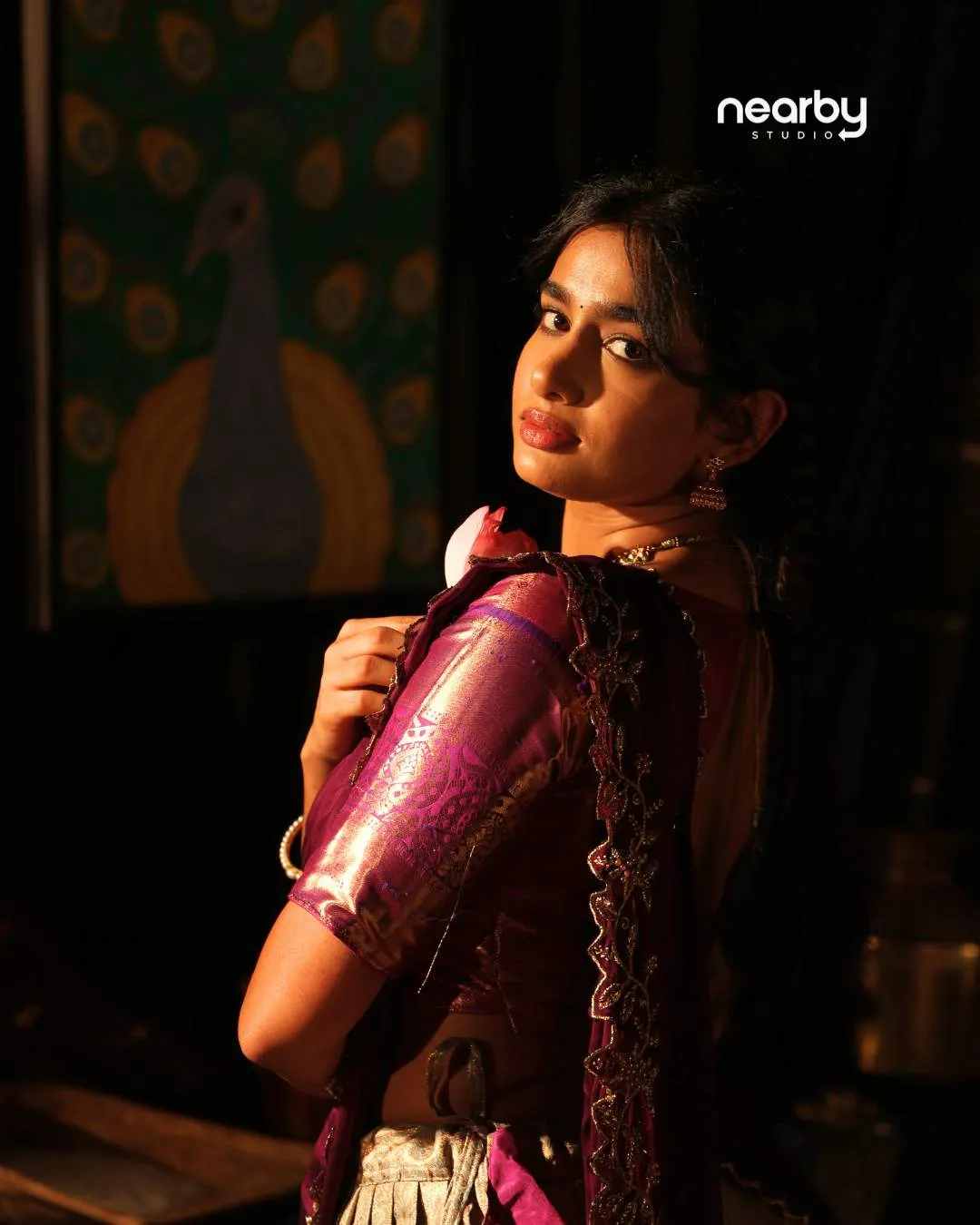
Turn your body away from the camera, then glance back over your shoulder. This is one of the most reliable, flattering poses in fashion photography — it shows the outfit from a different angle while keeping the face as the clear focal point.
9. Don't Be Afraid to Laugh or Smile Naturally
Some of the best fashion shots aren't the perfectly composed, serious ones — they're the candid moment of a real laugh or genuine smile between poses. If something's funny or you feel silly, let it show. It almost always photographs better than a forced, held expression.
10. Trust the Photographer's Direction
If you freeze up or run out of ideas, that's exactly what the photographer is there for — a few words of direction ("chin down a little," "turn your shoulder this way") usually fixes things in seconds. You don't need to arrive with a full plan; you just need to stay relaxed and follow along.
The Real Secret: Confidence Comes From Repetition, Not Experience
Every one of these poses feels a little awkward the first few times — that's completely normal, and it fades fast once you're a few minutes into the shoot. Most of what makes someone "look natural" on camera is simply having tried the pose enough times to stop overthinking it.
Ready for Your First Fashion Shoot?
Nearby Studio's fashion shoot setups come with proper lighting, space to move, and a team that knows how to guide first-timers through exactly this — so you don't need prior modeling experience to walk away with photos you're genuinely happy with.